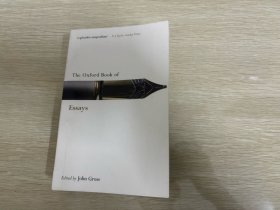
John Gross选编的一部散文集The Oxford Book of Essays收了邱吉尔这篇文章,说明散文随笔无所不包,人情世故(human understanding)、假日消闲(essays on what I did in the holidays)、议事说理(essays on truth),甚至书评文论、吃喝玩乐、忆人念事、游纪回忆,都可入流。在西方,文艺复兴时期法国思想家蒙田的散文,标志的是亲切(intimacy)与破格(informality)的文风,不以雄辩卫道的哲人才子自居,一味秉笔直书所思所感,终於自成道德文章(He did not set up for a philosopher,wit,orator or moralist,but he became all these by merely daring to tell us whatever passed through his mind)。蒙田关心的是「据我所知」(Whar do i know? )不是「我所应知」(what am i supposed to know?),永远不囿於法规绳墨。两百年后,英国大儒约翰森博士的文字仍然继承这一道流风遗韵,主张以「闲散」(irregular)为神髓。在他编的那部字典,「散文」条的首义是「随兴而发之妙墨」(“a loose sally of the mind”)。

 占位居中
占位居中






 直播中,去观看