Toni Morrison has been called "black America's best novelist," and her incredible string of imaginative contemporary classics would suggest that she is actually one of America's best novelists regardless of race. Be that as it may, it is indeed difficult to disconnect Morrison's work from racial issues, as they lie at the heart of her most enduring novels.
Growing up in Lorain, Ohio, a milieu Jet magazine described as "mixed and sometimes hostile," Morrison experienced racism firsthand. (When she was still a toddler, her home was set on fire with her family inside.) Yet, her father instilled in her a great sense of dignity, a cultural pride that would permeate her writing. She distinguished herself in school, graduating from Howard and Cornell Universities with bachelor's and master's degrees in English; in addition to her career as a writer, she has taught at several colleges and universities, lectured widely, and worked in publishing.
Morrison made her literary debut in 1970 with The Bluest Eye, the story of a lonely 11-year-old black girl who prays that God will turn her eyes blue, in the naïve belief that this transformation will change her miserable life. As the tale unfolds, her life does change, but in ways almost too tragic and devastating to contemplate. On its publication, the book received mixed reviews; but John Leonard of The New York Times recognized the brilliance of Morrison's writing, describing her prose as "...so precise, so faithful to speech and so charged with pain and wonder that the novel becomes poetry."
Over time, Morrison's talent became self-evident, and her reputation grew with each successive book. Her second novel, Sula, was nominated for a National Book Award; her third, 1977's Song of Solomon, established her as a true literary force. Shot through with the mythology and African-American folklore that informed Morrison's childhood in Ohio, this contemporary folktale is notable for its blending of supernatural and realistic elements. It was reviewed rapturously and went on win a National Book Critics Circle Award.
托尼·莫里森(Toni Morrison,1931~)美国黑人女作家。生于俄亥俄州钢城洛里恩,父亲是蓝领工人, 母亲在白人家帮佣。1949 年她以优异成绩考入当时专为黑人开设的霍华德大学,攻读英语和古典文学。
大学毕业后,又入康奈尔大学专攻福克纳和沃尔夫的小说,并以此获硕士学位。此后,她在德克萨斯南
方大学和霍德华大学任教。1966年,她在纽约兰多姆出版社担任高级编辑,曾为拳王穆罕默德·阿里自传和一些青年黑人作家的作品的出版竭尽全力。她所主编的《黑人之书》,记叙了美国黑人三百年历史,被称为美国黑人史的百科全书。70年代起,她先后在纽约州立大学、耶鲁大学和巴尔德学院讲授美国黑人文学,并为《纽约时报书评周报》撰写过30篇高质量的书评文章,1987年起出任普林斯顿大学教授,讲授文学创作。莫里森可以说是一位学者型的小说家。
莫里森的主要成就在于她的长篇小说。自1970年起,她一共发表了九部长篇小说:
托妮·莫里森新经典文库中文作品集(9张)
《最蓝的眼睛》(The Bluest Eye1970)
《所罗门之歌》(Song of Solomon,1977)
《秀拉》(Sula,1973)
《柏油娃娃》(Tar Baby,1981)
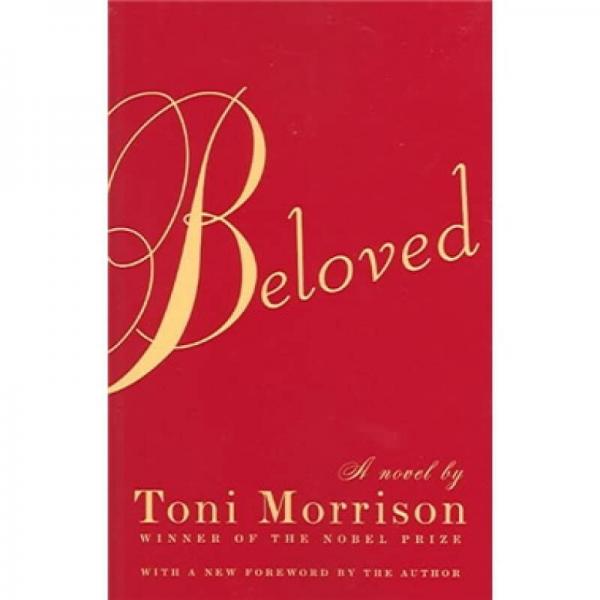
《宠儿》(Beloved,1987)
《爵士乐》(Jazz (1992)
《天堂》(Paradise,1999)
《爱》(Love,2003)
《恩惠》(A Mercy,2008)
《家园》(Home, 2012)
这些作品均以美国的黑人生活为主要内容,笔触细腻,人物、语言及故事情节生动逼真,想象力丰富。
2012年5月8日,81岁高龄的托尼莫里森又出版了新作,《家园》。《家园》则讲述了一个赴朝鲜战场的美国老兵自我救赎的故事

 占位居中
占位居中







 直播中,去观看